Tactile feedback
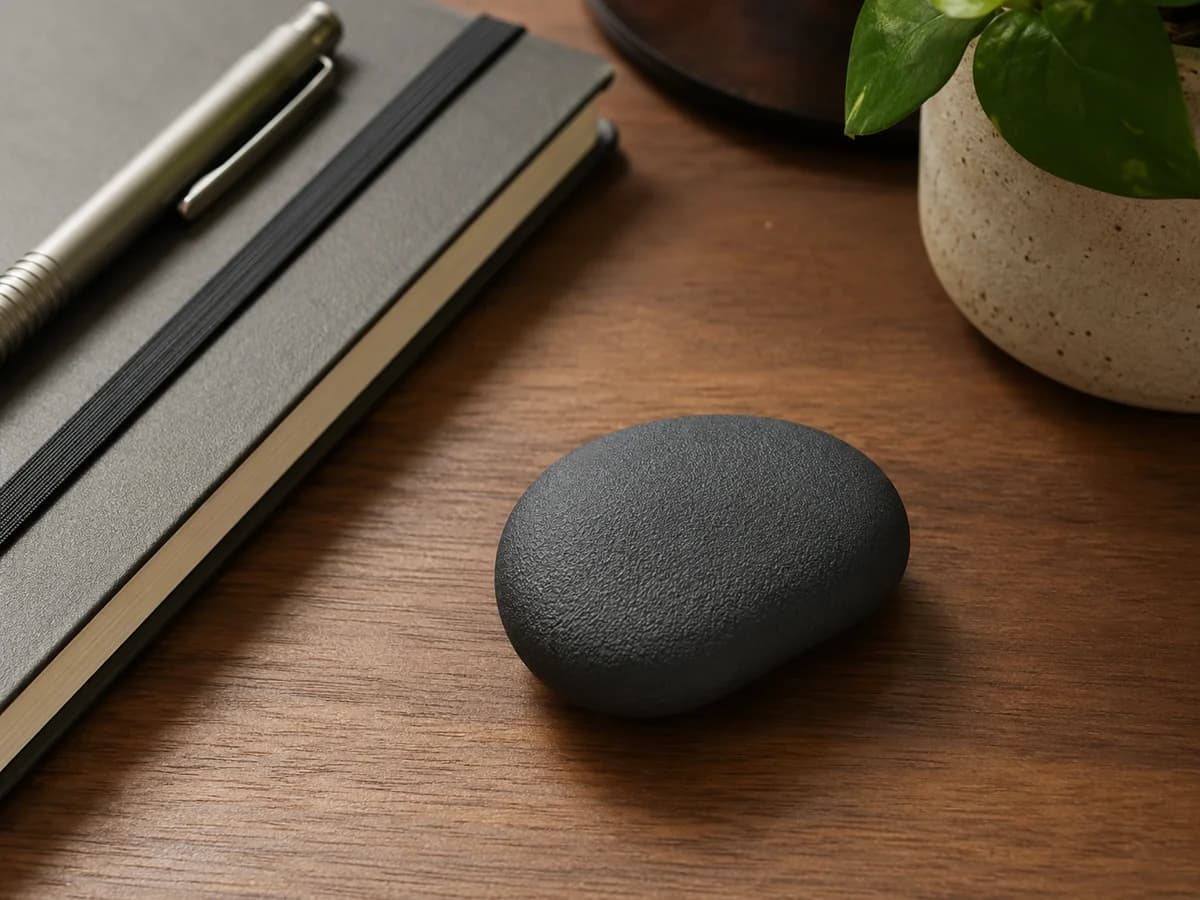
Textured stones, rings, silicone grips, and ripple tiles are useful when the main need is rubbing, pressure, or surface feel.
Guide / 2026 update
Understand what sensory toys are, how they overlap with fidget toys, and how to choose tactile tools by feel, sound, setting, and safety boundaries.
Quick answer
Sensory toys are objects chosen for the feedback they provide: texture, pressure, motion, weight, stretch, sound, or visual input. For adults, the most useful options are usually quiet tactile tools that fit the room, not loud novelty toys.
Best-fit formats
Decision context
People asking what sensory toys are often need a plain-language explanation before choosing a product category. This page should define the term, separate sensory toys from fidget toys, and point readers toward adult-friendly, quiet, and non-medical decision guides.
Textured stones, rings, silicone grips, and ripple tiles are useful when the main need is rubbing, pressure, or surface feel.
Fidget sliders, roller rings, switch testers, and cubes provide repeatable motion, but the moving parts can add noise.
Squeeze stones, putty tins, sensory balls, and stretchy loops provide compression or resistance without sharp clicking.
For work, school, libraries, and travel, sound and visual distraction matter as much as the sensation itself.
These are starter format recommendations from the current comparison library. Use the finder if your setting or sensory preference is different.
Format reviewed: 2026-06-25
Best for
Skin picking alternatives
Avoid if
Click seekers
Feel
textured, smooth
Portable
Common complaint to check
"Easy to lose"
Format reviewed: 2026-06-27
Best for
Quiet stress relief
Avoid if
Users wanting mechanical motion
Feel
soft, squishy
Portable
bag friendly
Common complaint to check
"Can feel sticky"

Format reviewed: 2026-06-25
Best for
School
Avoid if
Users who need strong mechanical feedback
Feel
rolling, soft
Portable
wearable
Common complaint to check
"Sizing can be inconsistent"
| Format | Best for | Noise | Feel | Discreetness | Avoid if |
|---|---|---|---|---|---|
| Textured Worry Pebble | Skin picking alternatives | silent (0/5) | textured, smooth | very discreet | Click seekers |
| Smooth Squeeze Stone | Quiet stress relief | silent (0/5) | soft, squishy, smooth | somewhat discreet | Users wanting mechanical motion |
| Silicone Roller Ring | School | silent (0/5) | rolling, soft, smooth | very discreet | Users who need strong mechanical feedback |
Name the sensation you want: texture, pressure, rolling, sliding, stretch, weight, or clicking.
Decide where it will be used: desk, meeting, school, commuting, or home.
Eliminate formats that are too loud, too visible, too messy, or too difficult to keep nearby.
Medical cure claims
Loose small parts for unsafe users
Loud tools in shared spaces
Treating sensory toys as medical treatment or guaranteed calming tools.
Choosing by age label instead of sensation, setting, and noise level.
Buying a loud or bright toy when the real need is discreet tactile feedback.
They are used for sensory feedback such as texture, pressure, motion, stretch, weight, or sound. Some people use them for focus, stress breaks, hand occupation, or sensory preference.
They overlap. Many fidget toys are sensory toys, but sensory toys can also include soft pressure tools, chew tools, visual tools, or developmental play objects.
No. They may be useful for some people, but this site treats them as practical tactile tools, not diagnosis, treatment, or professional care.