
ring
Last reviewed: 2026-06-25
Silicone Roller Ring
Best for
School
Avoid if
Users who need strong mechanical feedback
Feel
rolling, soft
Portable
wearable
silent (0/5)
very discreet
Common complaint
"Sizing can be inconsistent"
Guide / 2026 update
Compare major fidget types by noise, discreetness, feel, portability, and who should avoid each one.
Quick answer
Rings and stones are usually the quietest and most discreet. Sliders and pens can feel more satisfying for adults. Cubes offer variety but are less discreet, while 3D printed fidgets are best for people who enjoy tuning and assembly.
Best picks
These are starter recommendations from the current comparison database. Use the finder if your setting or sensory preference is different.
Last reviewed: 2026-06-25
Best for
School
Avoid if
Users who need strong mechanical feedback
Feel
rolling, soft
Portable
wearable
Common complaint
"Sizing can be inconsistent"
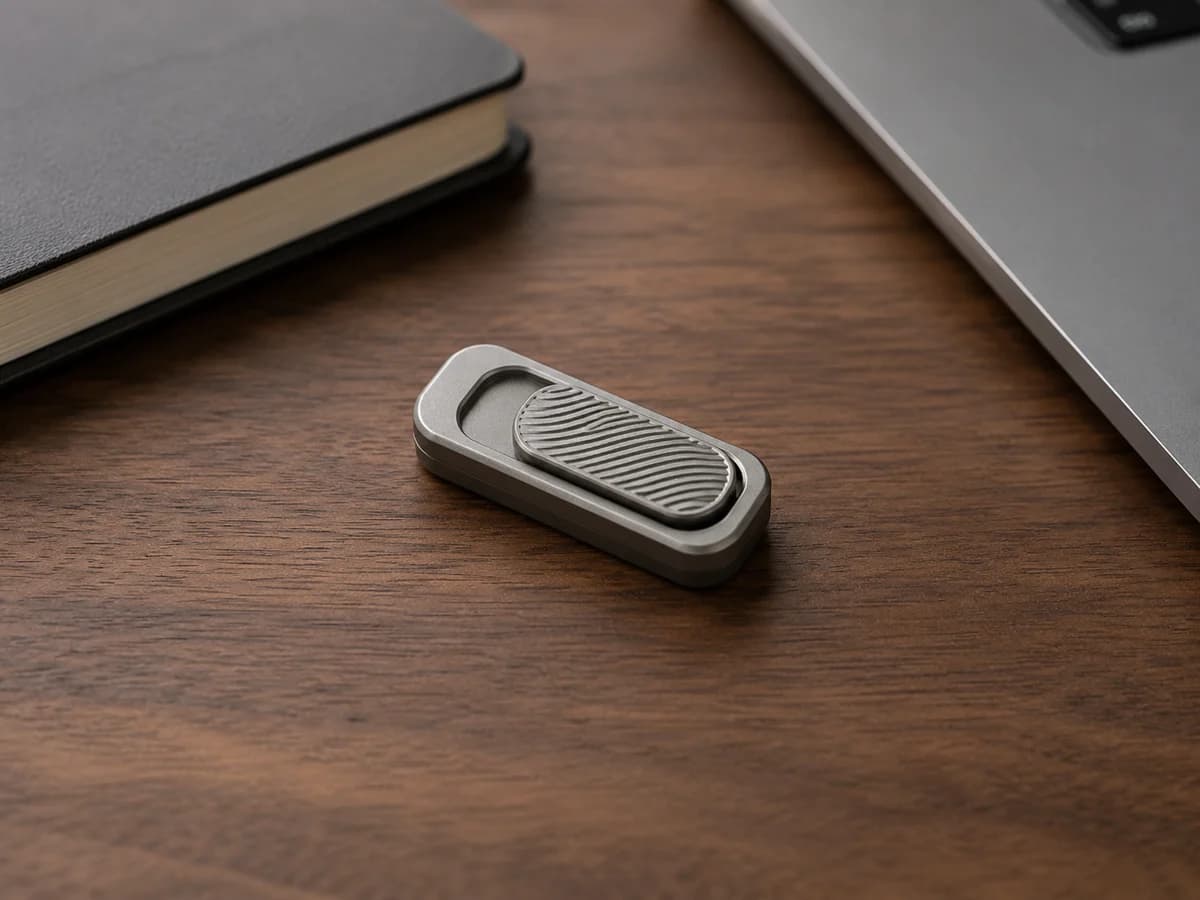
Last reviewed: 2026-06-25
Best for
Quiet meetings
Avoid if
Users who prefer soft textures
Feel
smooth, magnetic
Portable
Common complaint
"Small size can be easy to misplace"
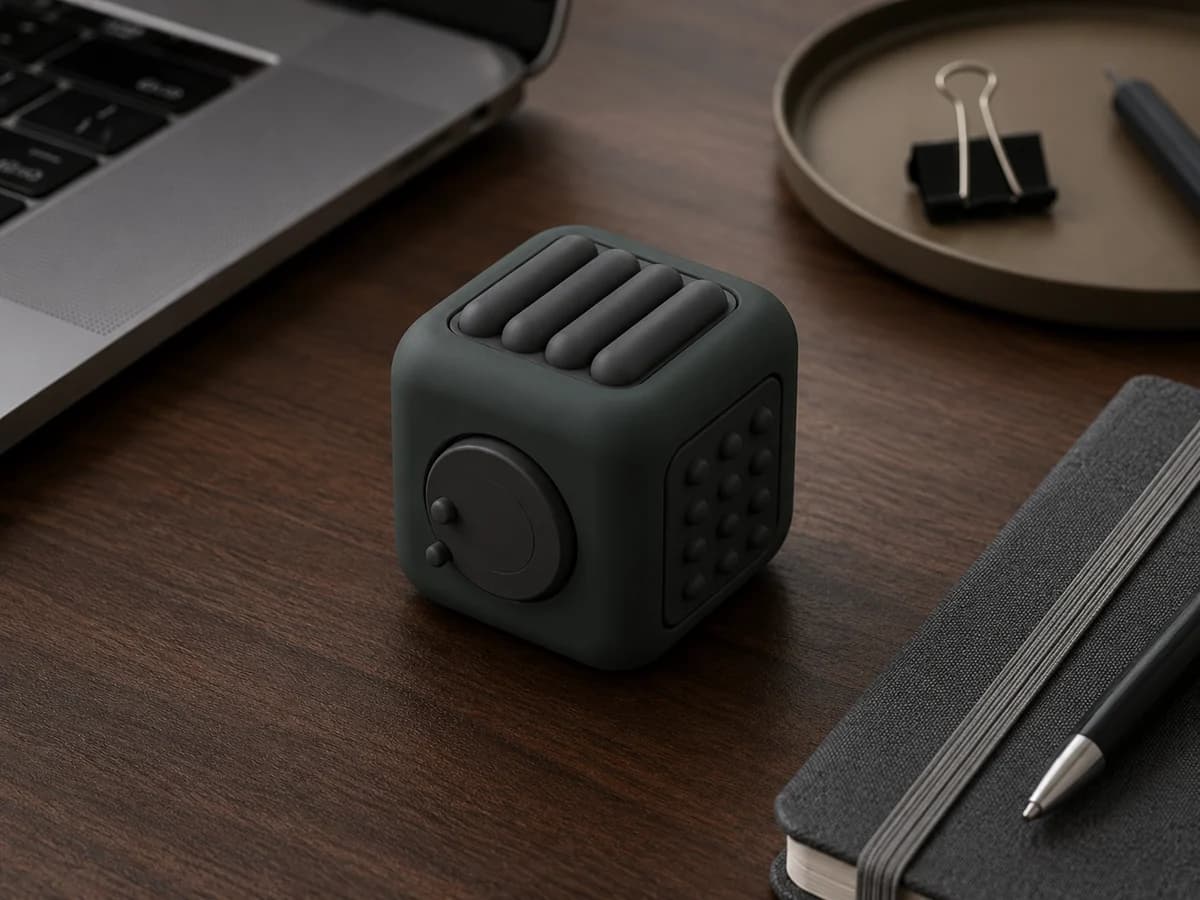
Last reviewed: 2026-06-25
Best for
Desk work
Avoid if
Silent classrooms
Feel
clicky, textured
Portable
bag friendly
Common complaint
"Less discreet than rings"
| Option | Best for | Noise | Feel | Discreetness | Avoid if |
|---|---|---|---|---|---|
| Silicone Roller Ring | School | silent (0/5) | rolling, soft, smooth | very discreet | Users who need strong mechanical feedback |
| Titanium Nano Slider | Quiet meetings | low (2/5) | smooth, magnetic, haptic | very discreet | Users who prefer soft textures |
| Quiet Sensory Cube | Desk work | low (3/5) | clicky, textured, rolling | noticeable | Silent classrooms |
Pick a category by setting first: wearable, pocket, desk, bag, or maker workspace.
Use noise tolerance to eliminate poor fits before comparing features.
Read avoid-if notes because the wrong type can be distracting even when the product is good.
Assuming every type works in every setting
Buying clicky tools for silent rooms
Skipping fit and material checks
No. FindYourFidget keeps recommendations practical and non-medical. Fidgets may help some people stay focused or calm, but they are not a treatment or substitute for professional care.
Noise is estimated from the mechanism, material, likely use setting, and common complaint patterns. Silent and low-noise options are separated because a tool that is fine at home can still be distracting in a quiet room.
Start with wearable rings, textured stones, soft silicone tools, or smooth thumb rollers. Avoid clickers, loose metal sliders, and multi-action cubes unless they are specifically designed for quiet use.