Office or meetings
Use smaller squeeze stones or soft rings. Large balls and sticky putty can look too obvious on a professional desk.
Guide / 2026 update
Compare sensory squeeze toys by firmness, texture, leak risk, lint, portability, and whether they work for school, office, travel, or home use.
Quick answer
Sensory squeeze toys are best when you want soft pressure rather than clicking or sliding. The most practical formats are quiet, sealed, durable, and easy to clean or store.
Best-fit formats
Decision context
Sensory squeeze toy searches are commercial but specific: users want soft pressure, squishy feedback, and low-noise alternatives. The useful page should separate squeeze stones, balls, putty, loops, and grips by mess risk and setting.
Use smaller squeeze stones or soft rings. Large balls and sticky putty can look too obvious on a professional desk.
Small silicone loops, pencil grips, or sealed soft tools are safer than putty when cleanup rules are strict.
Putty tins and larger sensory balls can work well at home because storage and cleanup are easier.
Check lint collection, seams, and whether the tool can survive a bag without leaking or deforming.
These are starter format recommendations from the current comparison library. Use the finder if your setting or sensory preference is different.
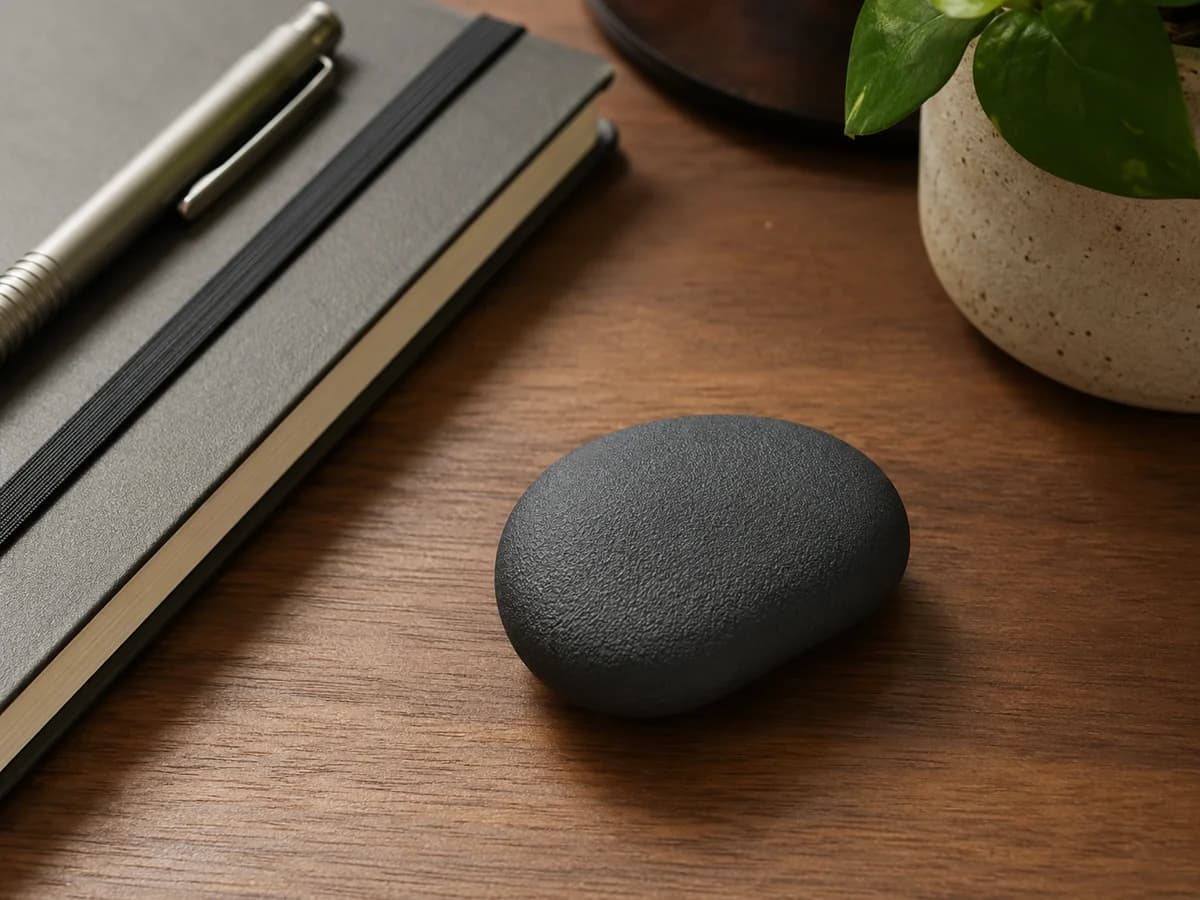
Format reviewed: 2026-06-27
Best for
Quiet stress relief
Avoid if
Users wanting mechanical motion
Feel
soft, squishy
Portable
bag friendly
Common complaint to check
"Can feel sticky"

Format reviewed: 2026-06-27
Best for
Wearable stretching
Avoid if
Users who dislike rubberized textures
Feel
stretchy, soft
Portable
wearable
Common complaint to check
"Breaks if overstretched"
Format reviewed: 2026-06-27
Best for
Stress breaks
Avoid if
Pocket carry
Feel
squishy, textured
Portable
bag friendly
Common complaint to check
"Too large for pockets"
| Format | Best for | Noise | Feel | Discreetness | Avoid if |
|---|---|---|---|---|---|
| Smooth Squeeze Stone | Quiet stress relief | silent (0/5) | soft, squishy, smooth | somewhat discreet | Users wanting mechanical motion |
| Stretchy Silicone Loop | Wearable stretching | silent (0/5) | stretchy, soft, squishy | somewhat discreet | Users who dislike rubberized textures |
| Textured Sensory Ball | Stress breaks | silent (0/5) | squishy, textured, soft | somewhat discreet | Pocket carry |
Pick firmness: soft, medium resistance, stretchy, or putty-like.
Check material cleanliness, seams, and whether it can be stored safely.
Choose smaller, muted shapes for work, school, or commuting.
Leaky gel fillings
Sticky lint-heavy surfaces
Large toy-like shapes for professional settings
Buying gel-filled toys without checking leak complaints.
Choosing sticky materials for bags or pockets.
Assuming every squishy toy is discreet enough for work or school.
It is a sensory tool designed around soft pressure, squeezing, stretching, or compression rather than clicking, spinning, or sliding.
Most are silent or low-noise, but material squeaks, sticky surfaces, and desk contact can still matter in very quiet rooms.
Avoid weak seams, unknown fillings, sticky materials, sharp textures, or formats that are too large for the setting.