Work stress
Choose muted tools that do not draw attention: worry coins, rings, desk stones, quiet rollers, or fidget pens.
Guide / 2026 update
Compare sensory stress relief toys by pressure, texture, noise, portability, material feel, and whether they work in offices, school, travel, or home.
Quick answer
Good sensory stress relief toys are quiet, repeatable, and easy to keep nearby. Start with soft pressure, texture, rolling, or weighted feedback; avoid loud clickers or messy materials if you need the tool in shared spaces.
Best-fit formats
Decision context
Searchers for sensory stress relief toys are usually looking for calming tactile routines rather than diagnosis-level advice. The content should stay non-medical while helping users compare quiet pressure, texture, rolling, and grounding formats.
Choose muted tools that do not draw attention: worry coins, rings, desk stones, quiet rollers, or fidget pens.
Squeeze stones, soft sensory balls, and putty tins can offer stronger pressure because visual discretion matters less at home.
Wearable or pocketable formats are easier to reach than larger soft tools. Avoid putty if cleanup is a concern.
Prioritize silent texture or pressure over clicky or magnetic snap feedback.
These are starter format recommendations from the current comparison library. Use the finder if your setting or sensory preference is different.
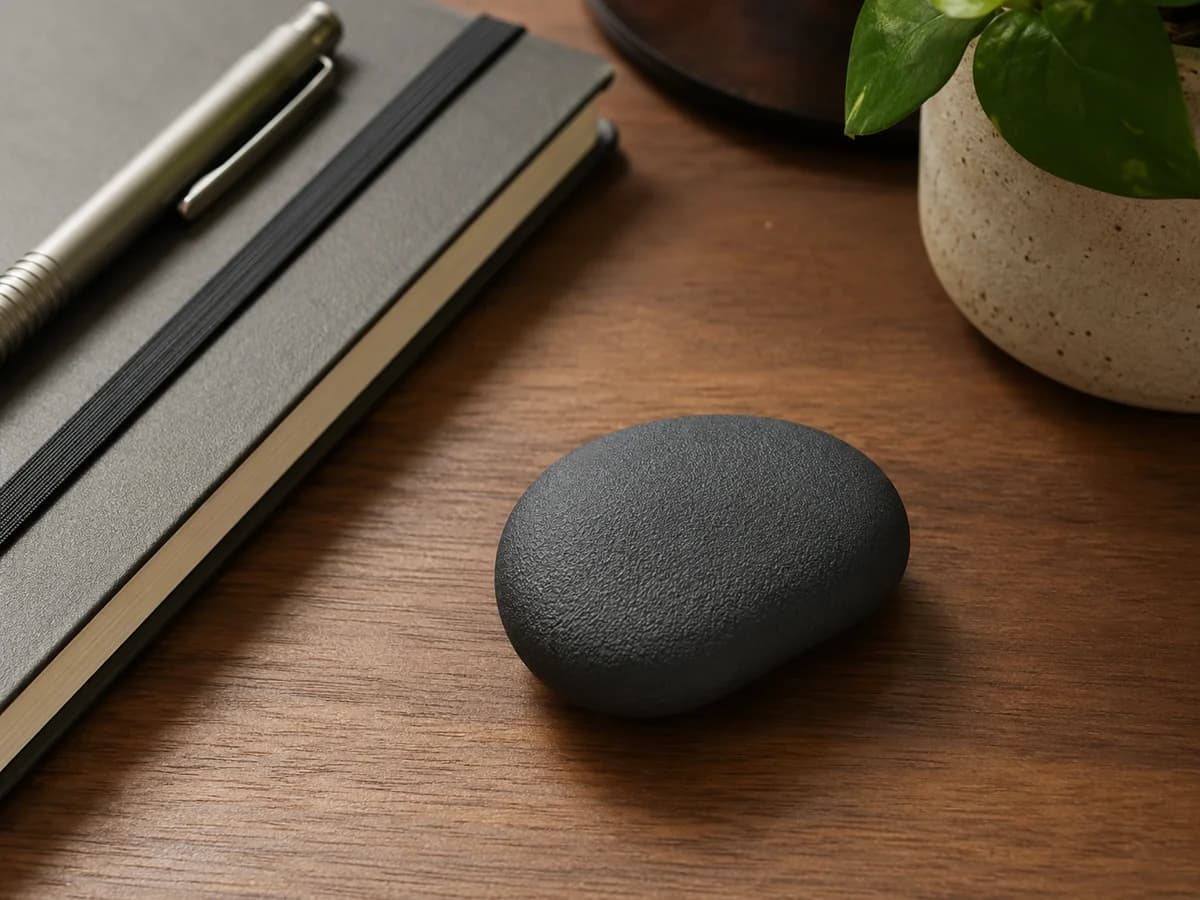
Format reviewed: 2026-06-27
Best for
Quiet stress relief
Avoid if
Users wanting mechanical motion
Feel
soft, squishy
Portable
bag friendly
Common complaint to check
"Can feel sticky"
Format reviewed: 2026-06-28
Best for
Pocket carry
Avoid if
Users wanting moving parts
Feel
smooth, textured
Portable
Common complaint to check
"Can feel too subtle"
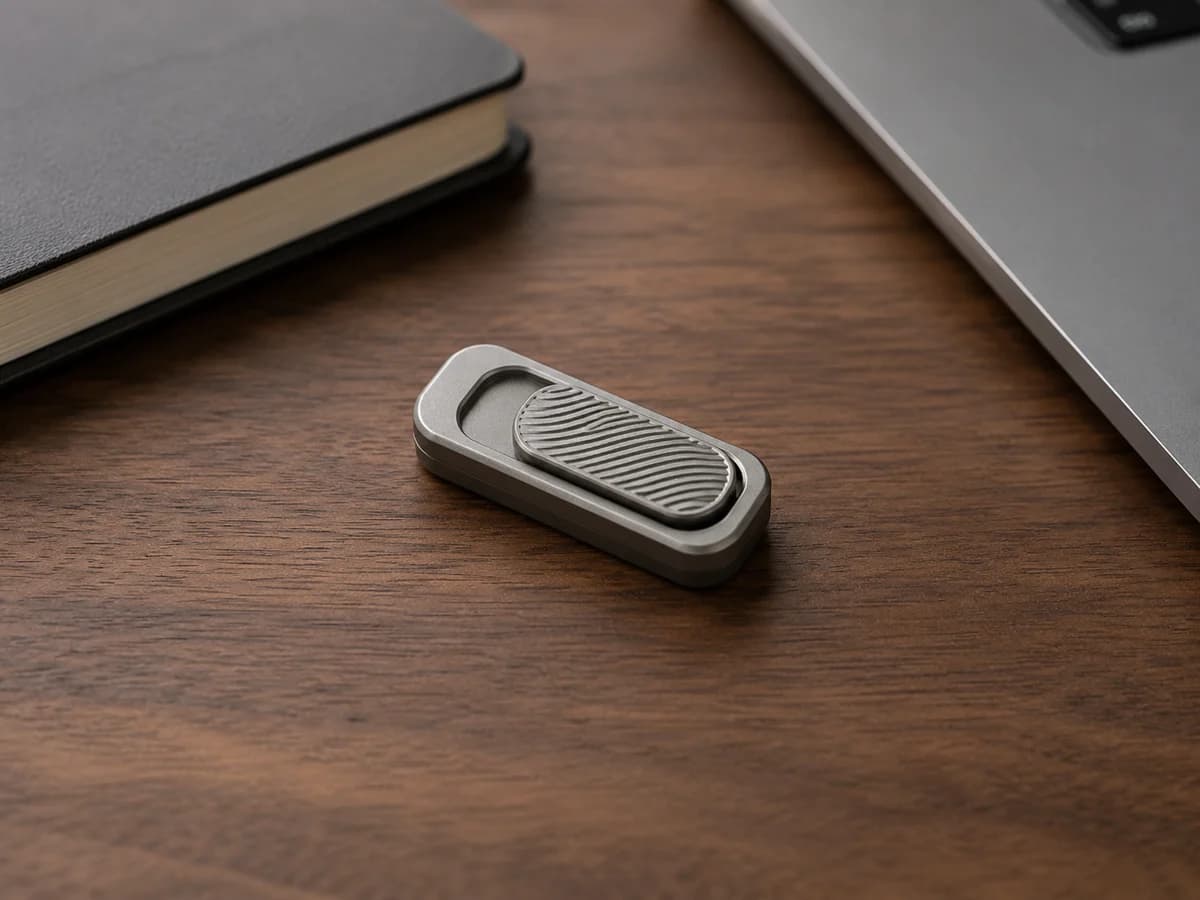
Format reviewed: 2026-06-28
Best for
One-handed office use
Avoid if
Users wanting strong clicks
Feel
rolling, smooth
Portable
Common complaint to check
"Roller may loosen over time"
| Format | Best for | Noise | Feel | Discreetness | Avoid if |
|---|---|---|---|---|---|
| Smooth Squeeze Stone | Quiet stress relief | silent (0/5) | soft, squishy, smooth | somewhat discreet | Users wanting mechanical motion |
| Oval Pocket Worry Stone | Pocket carry | silent (0/5) | smooth, textured, weighted | very discreet | Users wanting moving parts |
| Quiet Thumb Roller Bar | One-handed office use | silent (0/5) | rolling, smooth, haptic | very discreet | Users wanting strong clicks |
Choose the feedback type first: soft pressure, texture, rolling, or weight.
Match intensity to the setting, especially if other people are nearby.
Check durability complaints such as leaks, loosened rollers, lint, or sharp edges.
Cure claims
Loud snap mechanisms
Messy formats for work or travel
Expecting a sensory tool to treat stress or anxiety.
Choosing a tool that feels good at home but is too loud outside.
Ignoring material sensitivity, lint, leaks, or cleanup.
Many people start with quiet repetitive feedback: textured stones, silicone rings, soft squeeze tools, weighted coins, or smooth rollers. The best format depends on the setting.
Some are silent, especially soft pressure and texture tools. Magnetic, clicky, or hard plastic formats may be satisfying but louder.
No. They can be practical tactile tools, but they are not medical treatment, diagnosis, or professional care.